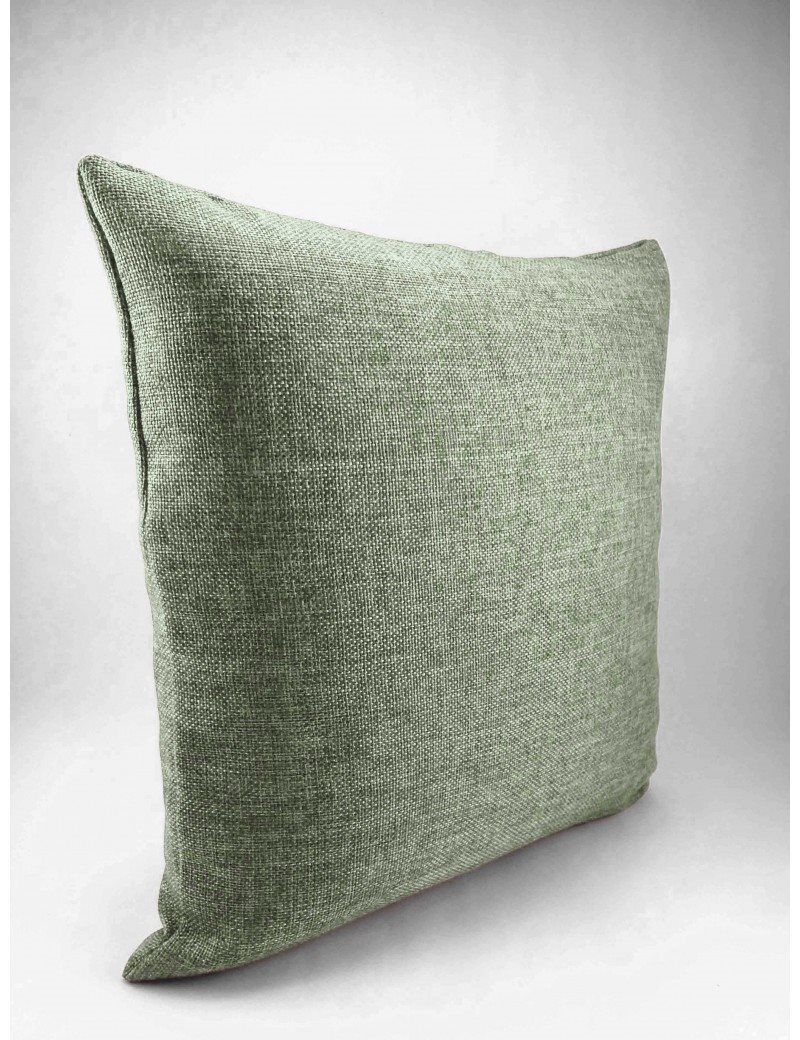
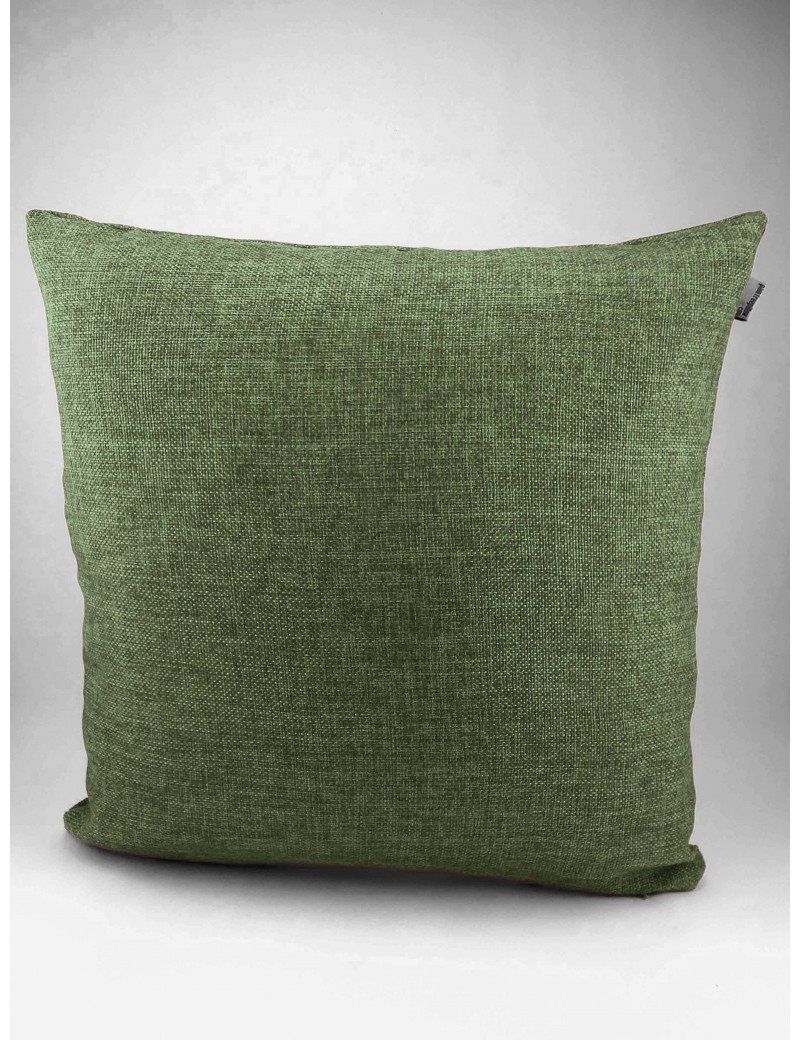
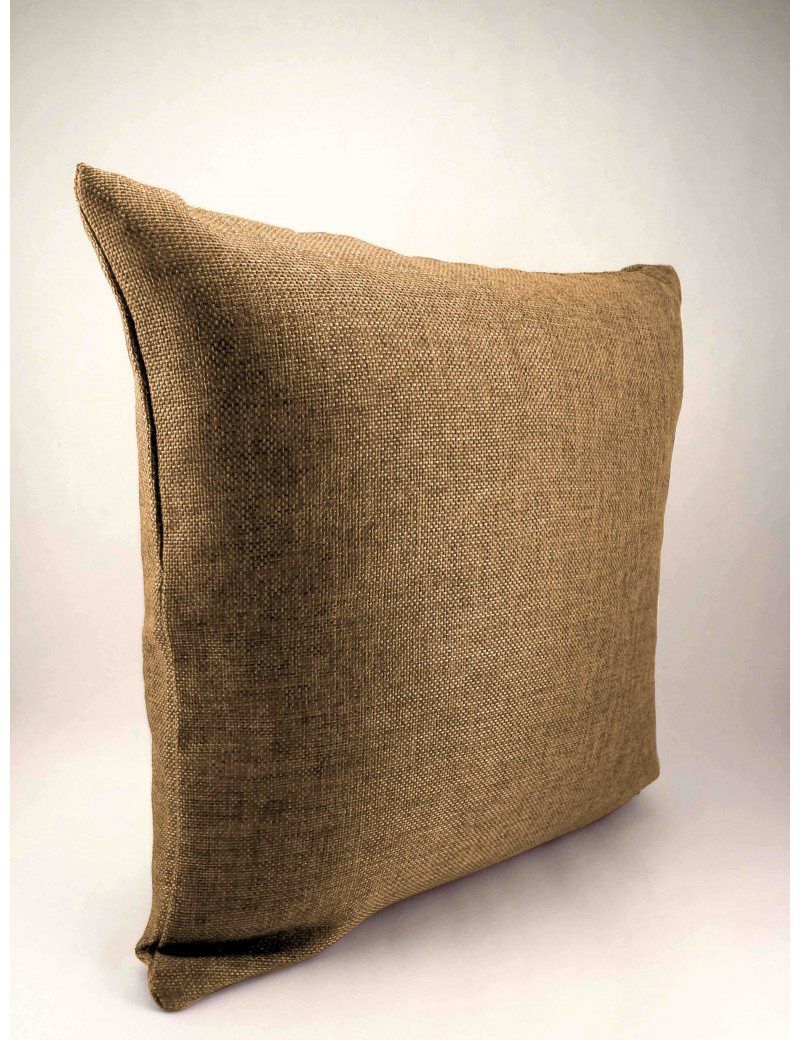
PulseRelief is a pressure-activated vibration therapy device designed for daily management of chronic back pain, foot pain, and circulatory deficits. Applies randomized mechanical vibration — the same therapeutic modality used in physical therapy clinics — the moment you sit.
Place PulseRelief behind your lumbar spine in a seated position, or on the floor for plantar surface therapy. The 14"×14" surface provides full coverage of the target tissue area.
The integrated pressure sensor detects bodyweight contact and triggers the vibration motor automatically. No remote, no switches, no settings to manage. Therapy initiates within 0.5 seconds of contact.
Unlike fixed-frequency devices, PulseRelief cycles through 4 randomized vibration patterns. This prevents neural habituation — the mechanism by which fixed-frequency vibration loses therapeutic effect over time.
Mechanical vibration therapy is an established modality in physical therapy and pain management. PulseRelief delivers targeted vibration in a format designed for unsupervised, daily home use.
"Vibration therapy applied to musculoskeletal pain sites demonstrates statistically significant reduction in pain intensity scores and improved local circulation in multiple randomized controlled trials."
— Meta-analysis, Journal of Musculoskeletal Rehabilitation, 2021"Whole-body vibration and localized vibration therapy both show evidence of improved neuromuscular function, reduced spasticity, and enhanced blood flow in target tissues."
— Physical Therapy Research International, 2022"Anti-habituation vibration protocols — those that vary frequency and amplitude — show superior sustained efficacy compared to fixed-pattern devices over 4-week treatment periods."
— Journal of Pain Research, 2020Average pain score reduction in chronic low back pain patients using localized vibration therapy for 4 weeks (vs. placebo device)
Increase in distal blood flow velocity measured in subjects with baseline poor circulation during foot vibration therapy sessions
Of physical therapy patients using vibration modalities reported clinically meaningful improvement in pain and function within 3 weeks
Randomized vibration patterns maintain therapeutic effect 4x longer than fixed-frequency devices before neural accommodation reduces efficacy
Lumbar vibration therapy works by stimulating mechanoreceptors in paraspinal muscle tissue, reducing hypertonicity, improving local blood flow, and interrupting the pain-spasm-pain cycle that perpetuates chronic low back dysfunction.
PulseRelief's randomized pattern prevents the accommodation response that renders fixed-frequency vibrators ineffective within weeks. Position it behind your lumbar spine in any chair, office seat, or car seat.
15–30 minutes per session, 1–3 sessions daily. Begin with Low speed setting; advance to High when tissue is warmed. Position center of pillow at L3-L4 vertebral level for maximal lumbar coverage.
Plantar vibration therapy stimulates mechanoreceptors in the foot's plantar fascia and intrinsic muscles, reducing pain sensitization and improving local tissue perfusion. It's particularly effective for post-shift foot pain in standing occupations.
Competitors largely ignore foot use. PulseRelief's 14"×14" surface accommodates both feet simultaneously — critical for bilateral plantar pain and circulation therapy.
20–30 minutes, post-shift or evening. Place pillow flat on floor. Both feet in contact simultaneously. Start with Low speed; increase to High after 5 minutes. Best used while seated in relaxed position.
Mechanical vibration applied to the plantar surface induces hemodynamic changes measurable in distal vasculature. Studies document significant increases in blood flow velocity, reduced venous pooling, and improved peripheral oxygen delivery.
This makes PulseRelief particularly valuable for individuals with diabetes-related neuropathy, venous insufficiency, cold feet/legs, or those in sedentary occupations requiring prolonged sitting.
15–20 minutes, 2× daily. Low speed setting is typically sufficient for vascular stimulation. Best applied bilaterally to feet. Note: consult your physician if you have active DVT, open wounds, or unstable cardiovascular conditions.
| Dimensions | 14" × 14" (35.5cm × 35.5cm) |
| Weight | Approx. 1.5 lbs (without batteries) |
| Activation | Pressure-sensor (auto, no buttons) |
| Vibration Patterns | 4 randomized (anti-habituation) |
| Speed Settings | High / Low |
| Power Source | 2× D-cell batteries or 3mm DC adapter |
| Battery Life | Up to 100 hours |
| Cover | Removable zip-off, machine washable |
| Cover Options | Solid, Zebra Print, Leopard Print |
| Price | $69.99 (all cover options) |
The defining feature. Fixed-frequency vibrators lose efficacy as the nervous system adapts. PulseRelief's 4 randomized patterns prevent accommodation — delivering persistent therapeutic effect with daily use.
Competing devices average 8–20 hours. PulseRelief's D-cell power system provides 100 hours — approximately 3–6 months of daily therapeutic use — before battery replacement.
Category-leading surface area. Competitors run 10–12". PulseRelief covers the full lumbar spine or both feet simultaneously — a significant functional advantage for bilateral therapy.
D batteries for portability. 3mm DC adapter for unlimited corded operation — critical for daily desk or home use where battery swapping would interrupt consistent treatment schedules.
| Feature | Typical Vibrating Pillow | PulseRelief |
|---|---|---|
| Activation | Button or remote required | Pressure-activated (auto) |
| Vibration Patterns | 1–2 fixed patterns | 4 randomized (anti-habituation) |
| Battery Life | 8–20 hours | 100 hours |
| Size | 10–12 inches | 14 × 14 inches |
| Plug-in Option | Rarely | 3mm DC adapter |
| Washable Cover | Often fixed (unwashable) | Zip-off, machine washable |
| Cover Style Options | 1 color only | 3 options: Solid, Zebra, Leopard |
| Price | $30–$120 | $69.99 flat |
"I've been dealing with L4-L5 disc issues for three years. My PT actually suggested I try vibration therapy at home between sessions. PulseRelief is exactly what I was looking for. I use it at my desk every afternoon — the tension release is real. My PT was impressed."
"12-hour nursing shifts mean my feet are destroyed by 7pm. I put PulseRelief on the floor the moment I get home. 20 minutes and the swelling and aching are noticeably reduced. Nothing else I've tried — foot soaks, compression socks, massage balls — gets results this fast."
"The randomized pattern is the thing that sold me after I tried it. I've owned two other vibrating pillows and they both felt useless after a few weeks. You just stop feeling them. PulseRelief stays effective. I've been using it daily for four months now."
"My circulation in my feet has been poor for years due to type 2 diabetes. My doctor recommended vibration therapy as a complement to my current treatment. PulseRelief is easy to use, and I've noticed my feet feel warmer and less numb after my evening sessions."
"I'm on my feet 10 hours a day running a restaurant kitchen. At the end of a service, I'm in real pain. The PulseRelief goes on the floor and I rest my feet on it while I do my post-shift admin. It's part of my recovery routine now. Can't imagine without it."
"I drive long-haul — 10–12 hours at a stretch. Lower back pain is occupational for truckers. I keep PulseRelief in my cab and use it when I'm parked up. The battery life is insane. I've gone weeks without needing a charge. Worth every cent."
A pressure-sensitive switch embedded in the pillow detects bodyweight contact. When pressure is applied — by leaning back or resting feet — the vibration motor activates automatically. Remove the pressure and it stops. No remote, no buttons, no app.
Fixed-frequency vibration devices lose therapeutic efficacy as the nervous system habituates to the repetitive stimulus — the same mechanism that makes a constant background noise disappear from conscious perception. Randomized patterns disrupt this accommodation, maintaining sensory novelty and sustained mechanoreceptor activation session after session.
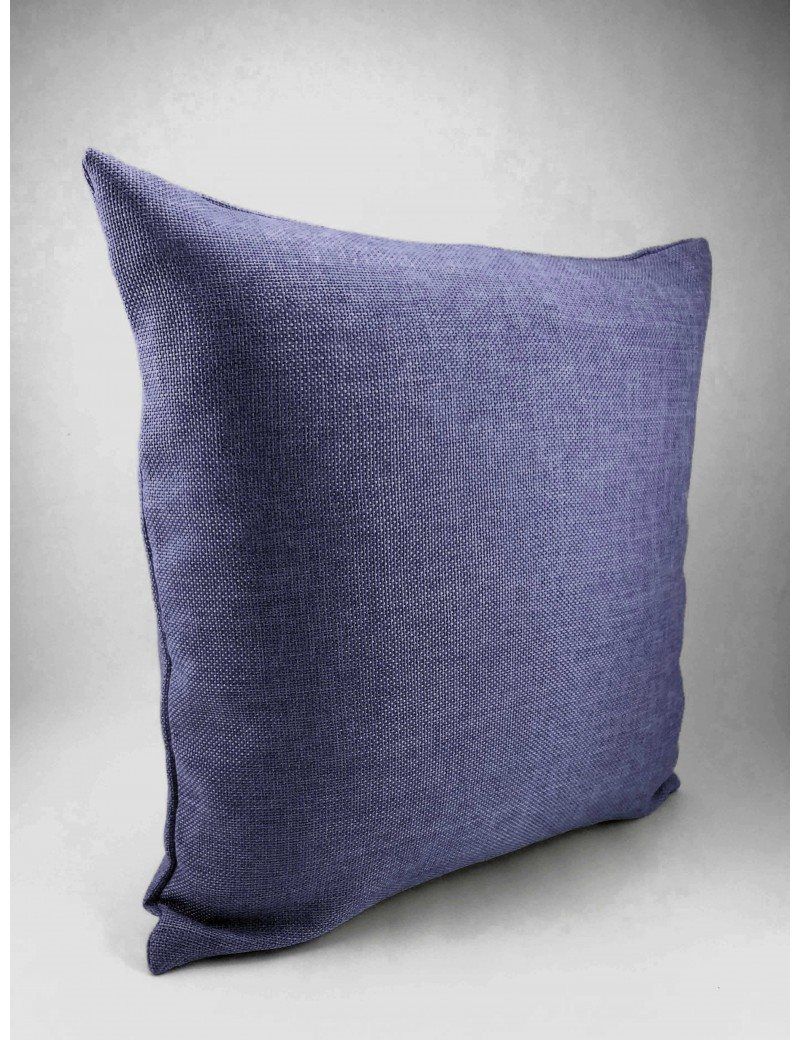
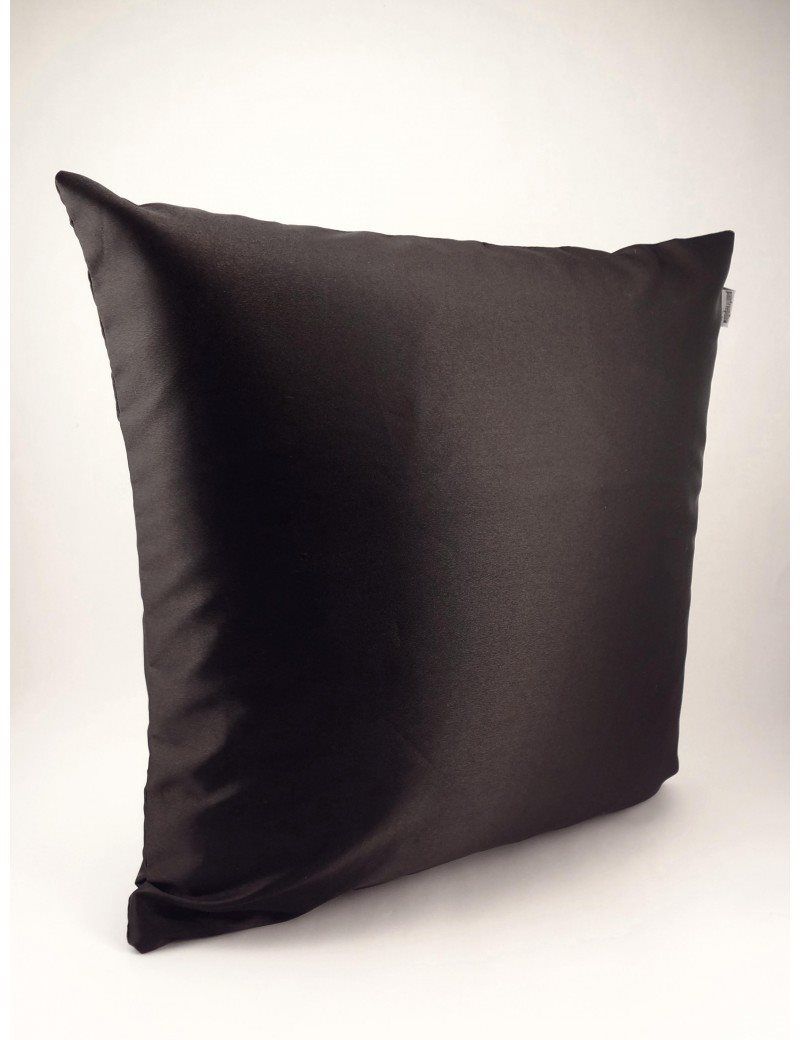
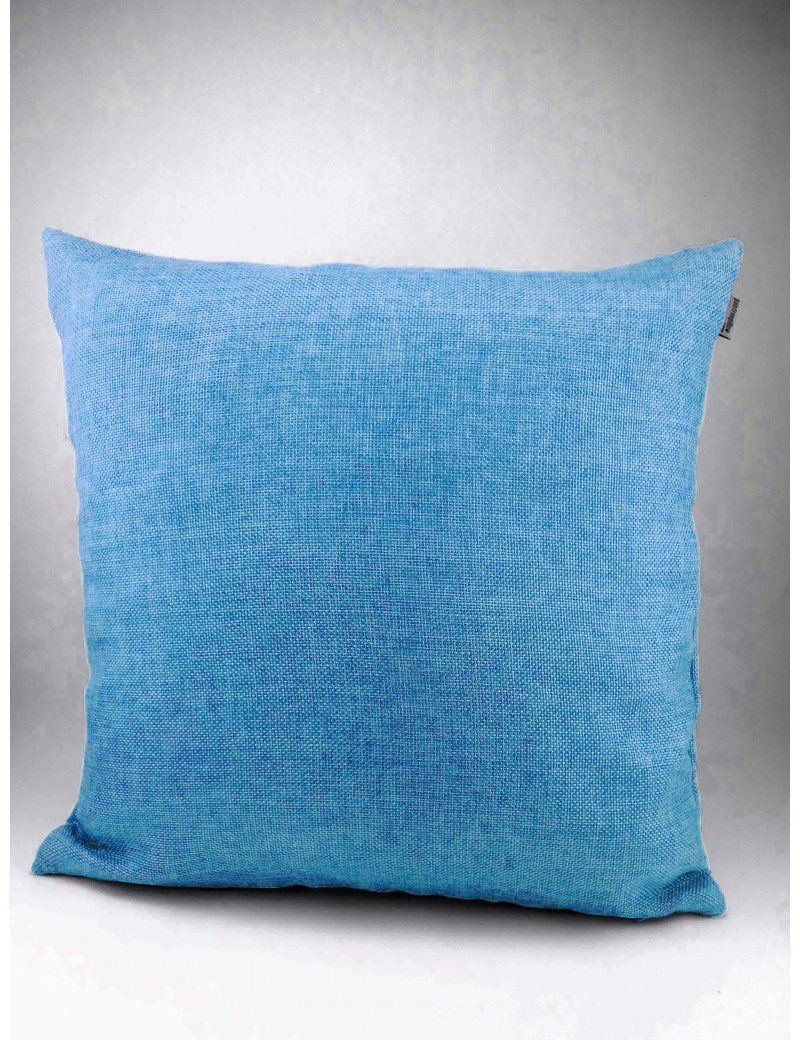
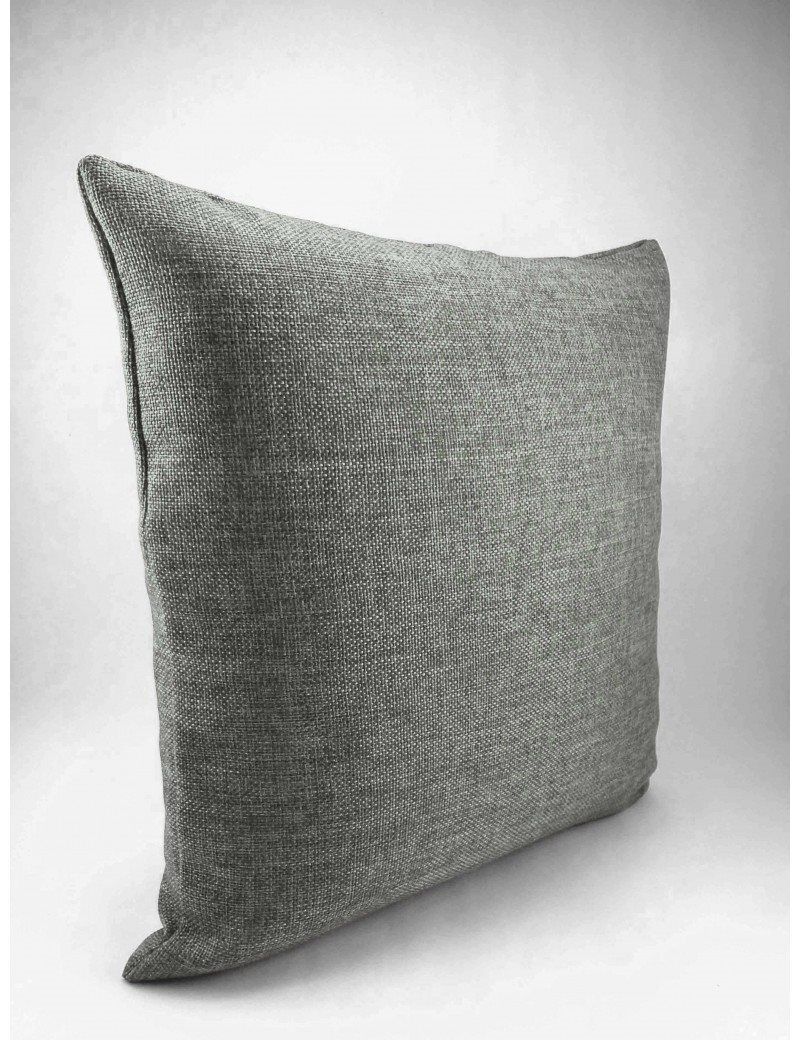
PulseRelief comes in three removable cover styles — all machine washable, all priced at $69.99: (1) Solid Color, (2) Zebra Print, and (3) Leopard Print. The vibrating core is identical across all three. Select your cover on the product page.
Yes. PulseRelief operates on 2 D-cell batteries (approximately 100 hours runtime) or via a standard 3mm DC adapter for unlimited corded operation. For desk use, we recommend the DC adapter — remove the battery drain concern entirely.
Vibration therapy is generally well-tolerated. However, we recommend consulting a physician before use if you have: active deep vein thrombosis, open wounds or skin conditions at the application site, recent surgery, implanted pacemaker or similar devices, or active cancer. PulseRelief is not a medical device and is not intended to diagnose or treat any condition.
Unzip the outer cover, remove it, and machine wash cold with like colors. Tumble dry low or air dry. The vibrating core is not washable — keep it dry. The cover is designed for weekly washing with daily use.
Physical therapists typically recommend 15–30 minute sessions for localized vibration therapy. Most users find meaningful relief within 10–15 minutes. Daily consistency produces better outcomes than occasional longer sessions.
One pillow. Three cover options. The only vibration therapy device with randomized, anti-habituation patterns designed for daily home use.
$69.99 · Free Shipping